10 Native UK Flowers That Feed Bees and Butterflies from Spring to Autumn
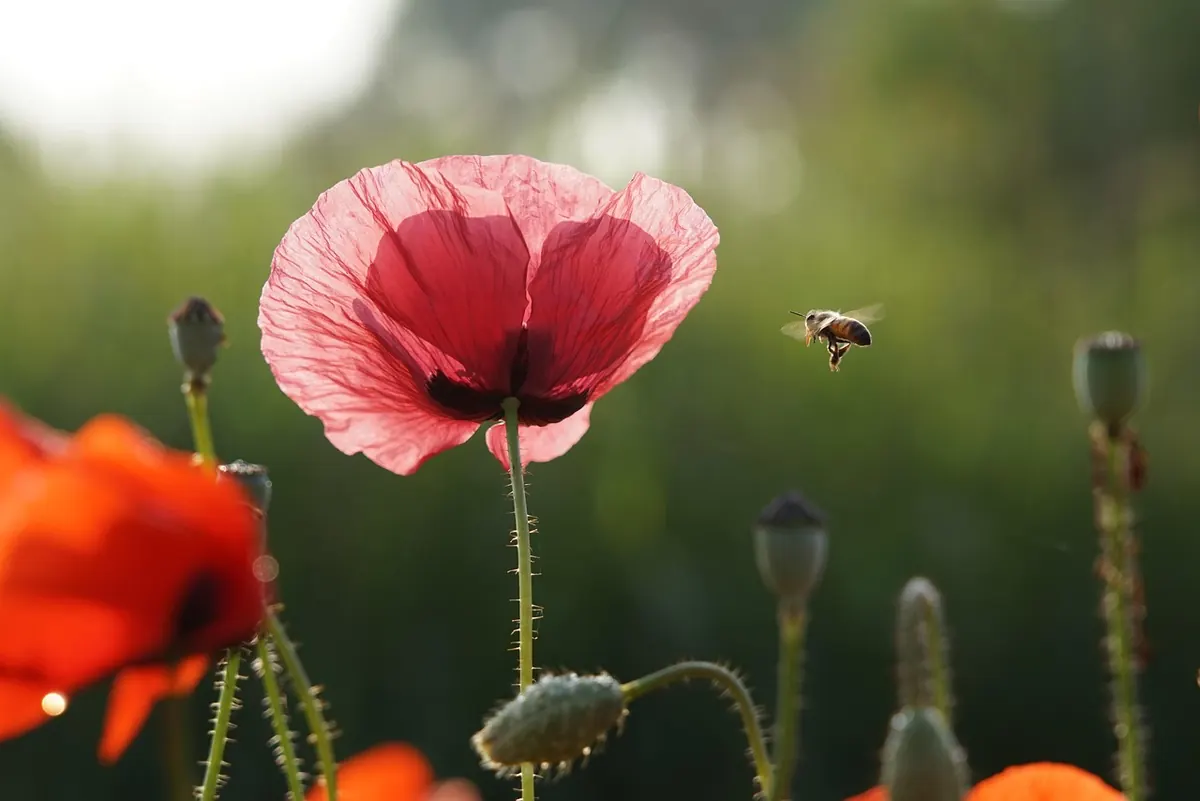
A garden that only performs in July has a long, hungry gap either side of it. Queen bumblebees emerge from hibernation in late winter, and workers are still foraging into November, so the plants that matter most are the ones that bridge the lean weeks. The ten natives below are all British species, all straightforward to grow, and between them they cover roughly nine months of the year. Flowering times suit a typical southern UK garden; expect things to run two or three weeks later in the north.
Why native flowers earn their space
You can feed pollinators with plenty of non-native plants, but natives tend to be single-flowered, generous with nectar and pollen, and familiar to insects that have evolved alongside them. Several also double as caterpillar food, which is the part most gardens miss: a border full of nectar and no larvae is only half a habitat. Buy UK-grown stock from a wildflower nursery rather than lifting plants from the wild, and ask where the seed came from.
Spring: fuel for hungry queens
Lesser celandine (Ficaria verna) — March to May
Glossy yellow stars on a plant barely 10cm tall. It wants damp shade: under a hedge, at the foot of a north-facing wall, in grass that stays moist. The flowers open flat in sun and are worked hard by newly emerged queen bumblebees. It vanishes underground by early summer, so partner it with ferns or hardy geraniums that will fill the gap.
Primrose (Primula vulgaris) — March to May
Pale yellow, 10–15cm, happiest in dappled shade on ordinary soil that dries out a little in summer. Primroses are dependable early nectar and their leaves feed moth caterpillars. Plant in autumn, in groups of three or five at the front of a border or in rough grass.
Bugle (Ajuga reptans) — April to June
Deep blue spikes over spreading evergreen leaves, 15–20cm. One of the best ground covers for shade, and it copes with damp, heavy soil where little else will. Bumblebees and solitary bees both use it. Cut the old flower spikes off and it will often throw a second, smaller flush.
Red dead-nettle (Lamium purpureum) — March to October
A small annual with purple-lipped flowers that appears wherever soil is disturbed, including vegetable beds and path edges. It flowers for an unusually long stretch and is worth leaving alone rather than hoeing. Pull a few plants where you want them, let the rest self-seed.
Early summer: the first big flush
Foxglove (Digitalis purpurea) — June to August
A biennial: leafy rosette one year, flower spike the next. Height varies from 60cm to well over a metre. It tolerates sun or part shade and most soils except waterlogged ground. The tubular flowers are built for bumblebees, which crawl inside to reach the nectar. Let some spikes set seed and you will never need to plant it again. All parts are poisonous if eaten, so keep it away from toddlers and nibbling pets.
Oxeye daisy (Leucanthemum vulgare) — June to September
White daisies on 30–60cm stems, ideal for a rough patch of lawn or the middle of a border. It wants sun and average to poor, well-drained soil; richness makes it floppy. Bees, hoverflies and small beetles all visit. After flowering, cut the area once at about 5cm and rake off the clippings to keep fertility down.
Midsummer: peak nectar
Common knapweed (Centaurea nigra) — June to September
Thistle-like purple heads on 30–80cm stems, and one of the most reliable butterfly plants in the UK. Sun and any well-drained soil, but it dislikes being crowded, so give it room. Leave the seed heads standing: goldfinches will strip them through the winter.
Wild marjoram (Origanum vulgare) — July to September
Clouds of tiny pink-white flowers on 30–60cm stems. Grow it in full sun on a dry bank, against a warm wall or in a large pot, where the scent and the insect traffic are both strongest. Short-tongued bees, hoverflies and small butterflies queue up for it.
Late summer and autumn: the long tail
Devil's-bit scabious (Succisa pratensis) — July to October
Round, blue pincushion flowers on 30–60cm stems, opening over a long period so the last ones often overlap with the first frosts. It prefers damp, neutral to acid soil in sun or light shade, and it settles slowly, so mark where you planted it and don't dig that corner.
Ivy (Hedera helix) — September to November
The flowers are small, green and easy to overlook, but ivy is one of the richest autumn nectar sources in the country, arriving exactly when most other plants have stopped. Let a patch climb a wall, fence or shed. Ivy is not a parasite and does no harm to a healthy tree. If it needs cutting back, do it in late winter once flowering is over, and check for nesting birds first — all wild birds' nests are protected while in use. The black berries that follow feed thrushes in early spring.
Building a planting plan with no gaps
Aim for at least three species in flower in any month. A simple sequence for an average garden:
- February to April: lesser celandine, primrose, bugle, red dead-nettle
- May to June: bugle, foxglove, oxeye daisy
- July to August: oxeye daisy, common knapweed, wild marjoram, devil's-bit scabious
- September to November: devil's-bit scabious, ivy, red dead-nettle (if it has self-seeded)
Plant in clumps of three to five of the same species rather than dotting singles about; insects find a block of colour far faster. Keep the clumps close together so a bee can move between them without a long flight.
Practical notes for planting and aftercare
Autumn is the best time to plant, while the soil is still warm and rain does the watering for you. Water through the first summer, then leave the plants to it. Perennials such as knapweed and scabious take a season or two to bulk up, so resist moving them. Foxgloves will do nothing visible in their first year, which is normal.
Skip pesticides entirely, and accept a few chewed leaves — those holes are the point. Reduce mowing on one patch and cut it once, in late summer, removing the clippings.
Don't tidy everything away in October. Hollow stems, seed heads and leaf litter are where insects spend the winter, and the birds will clear the knapweed for you.
Start with three plants, not thirty. A primrose in a shady corner, marjoram in a pot by the door and a patch of ivy left alone will bring more bees and butterflies to your garden than a whole trolley of bedding annuals ever will.
Photo: ajs1980518 / Pixabay