The UK Wildlife Gardening Year: A Month-by-Month Seasonal Calendar
Garden wildlife does not run to a strict timetable. A mild February can wake the first bumblebee queens; a sodden June can push everything back a fortnight. But the underlying rhythm holds, and once you know roughly what is happening out there, the jobs arrange themselves. You feed the birds when natural food runs thin, you leave the seedheads standing when the finches need them, and you sort the pond out before the frogs arrive.
What follows is a working calendar rather than a rulebook. Treat the months as prompts, check what is actually happening in your own patch, and let the weather have the final say. A garden in Cornwall and a garden in Aberdeenshire are three weeks apart on most of this.
Spring: March to May
Frogspawn usually appears in March, sometimes late February, and newts follow soon after. Birds are pairing up and hunting for nesting material, so any moss, twigs and dry grass you leave lying about is genuinely useful. This is the season of quick wins, because everything is growing and creatures are actively looking for places to be.
Planting and sowing
Bare-root hedging and trees need to go in before the end of March, while they are still dormant. For everything else, wait until the soil has warmed a little. Hardy annuals such as calendula, borage and poached egg plant can be sown direct from late March, and a patch of bare, lightly raked soil sown with a native wildflower mix will often outperform anything planted in a pot. Foxgloves, teasel and viper's bugloss are worth finding space for in a border or a gravel strip.
Pond care
Resist the urge to give the pond a spring clean. The blanket weed you want to haul out is full of tadpoles, beetles and newt eggs. If you must thin it, do it by hand, leave it at the edge for a day so anything caught up can crawl back, and only remove a portion. Top the pond up with rainwater rather than tap water, which carries nutrients that feed algae.
Habitat jobs
- Put up nest boxes if you have not already, and clear out old ones in late winter so birds start with a clean box.
- Avoid cutting hedges between March and August, when nests are likely to be in use.
- Leave a pile of dead stems and prunings in a quiet corner — it will be occupied within weeks.
Early Summer: June and July
This is peak nesting season, and the noisiest month in the garden. Fledglings are clumsy, loud and easy to catch, so keep cats in at dawn and dusk if you can, and give any nest you disturb a wide berth. Natural food is plentiful now, so bird feeders matter less — but water matters more than ever.
With mowing, aim for a compromise rather than a regime: keep paths and a bit of lawn short, and let the rest grow long through the summer. Check long grass before you strim it, and check it again. Hedgehogs, frogs and slow worms all sit tight rather than run.
What to leave alone
Deadhead some flowers to keep them producing, but leave others to set seed. Single-flowered dahlias, sedum, lavender, knapweed and scabious are doing the heavy lifting for bees and butterflies now. Bare patches of ground are not a failure — mining bees and solitary wasps nest in them, so leave one or two undisturbed.
Pond and water
Small ponds can drop quickly in a hot spell. Top them up with rainwater from a butt, keep part of the surface shaded with marginals, and leave a shallow saucer of water with a few stones in it for bees and hedgehogs. Clean the bird bath regularly; warm, dirty water spreads disease.
Late Summer into Autumn: August to October
Seedheads become the main event. Teasel, sunflowers, rudbeckia, knapweed and echinacea feed goldfinches and sparrows well into winter, so leave them standing rather than cutting everything back in September. Ivy is the unsung hero of this season: it flowers late, feeding hoverflies and late bees, then holds its berries for hungry birds in the coldest weeks.
Autumn is also the best planting window of the year. The soil is still warm, rain is more reliable, and roots settle in before winter. Bare-root hedging, trees and roses can go in from November onwards while dormant; spring bulbs need to be in the ground by the end of October. Berrying shrubs — rowan, hawthorn, holly, crab apple — earn their place now.
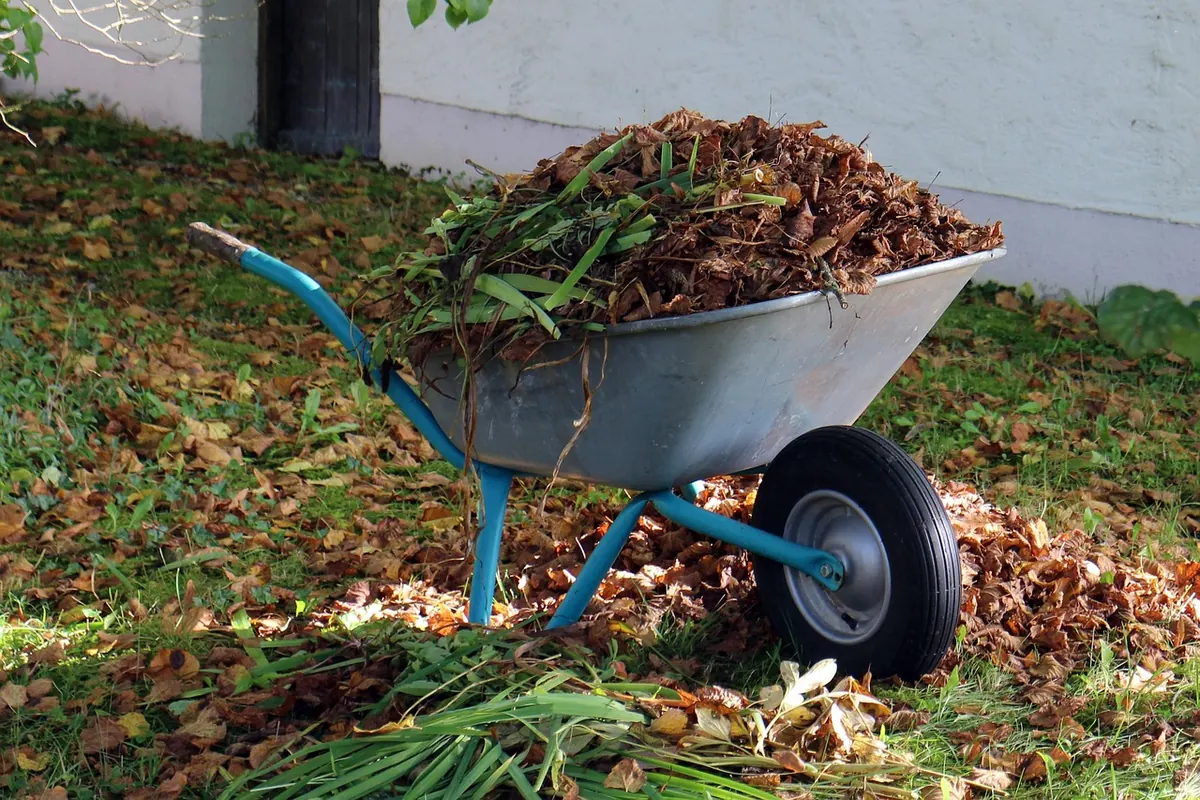
If you have a bonfire planned for November, move the pile on the day or check it thoroughly first. Dormant hedgehogs and toads take shelter in stacks of wood and garden waste.
Winter: November to February
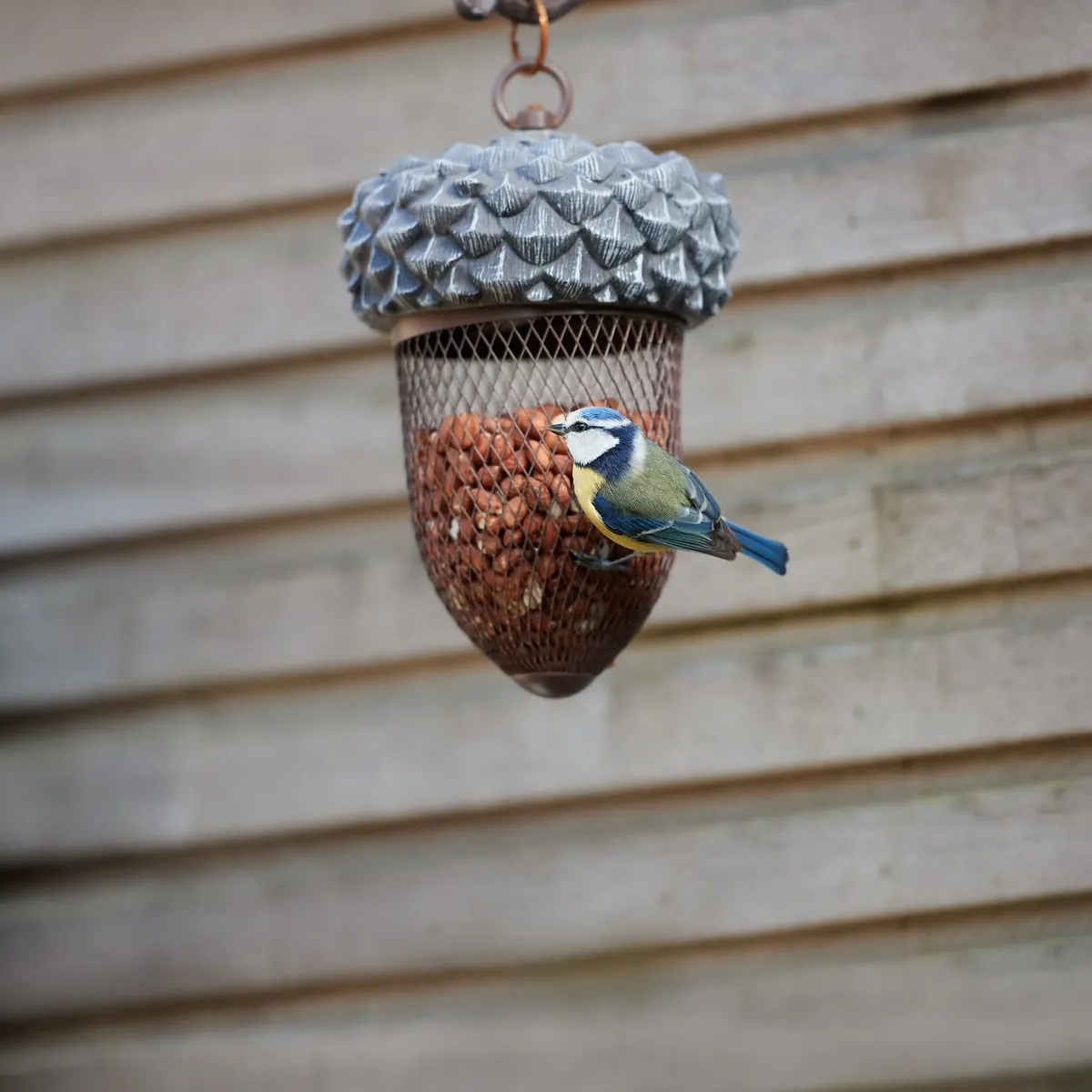
Feeding becomes the priority. High-fat food, a mix of seeds, and clean, unfrozen water will carry birds through the hardest weeks. Wash feeders every couple of weeks with hot soapy water, rinse them well and let them dry — dirty feeders do more harm than good. Never put out salted or roasted peanuts, and go easy on fat balls in mild spells, as they can turn rancid.
For hibernating wildlife, the main job is doing nothing. Leave log piles, compost heaps, dense ivy and mounds of leaves undisturbed. Do not smash ice on a pond; it sends shock waves through the water. Pour a little warm water on a bird bath instead, or float a light ball to keep a gap open.
Winter flowers are worth their weight in gold for early bees. Snowdrops, crocuses, hellebores, winter honeysuckle and mahonia will all be visited on any mild day.
Jobs That Fit Any Month
- Keep a shallow water source topped up, cleaned and free of ice.
- Leave one corner of the garden deliberately untidy.
- Check before you cut, strim, dig or move anything.
- Skip pesticides, weedkillers and slug pellets; use barriers and hand-picking instead.
- Plant so that something is flowering in every month you can manage.
- Note what visits and when — a notebook quickly shows you the gaps.
- Add one piece of habitat a year: a log pile, a leaf mound, a bat box.
- Leave a 13cm gap under fences so hedgehogs can move between gardens.
Putting the Calendar to Work
Do not try to do all of this. Pick two or three jobs a month and let the rest wait; a garden that is slightly behind is not a garden that is failing. If you are new to it, start with water and food, because those two things support the widest range of creatures for the least effort. Then add habitat, and only then worry about planting schemes.
Keep a few rough notes as you go — what appeared, when, and on what. Within a couple of years you will have a calendar tailored to your own soil, shelter and weather, which beats any general guide. And where a job involves protected species, mature trees or anything you are unsure about, take proper advice before you start.
Wildlife gardening rewards patience rather than effort. Put the basics in place, leave the messy bits alone, and the garden will do most of the work itself.
Photo: Antranias / Pixabay