How to Build a Bug Hotel That Actually Attracts UK Insects (Not Just Slugs)
A bug hotel is one of the easiest wildlife projects you can take on, and one of the easiest to get wrong. Stack a few pallets, fill the gaps with whatever is lying around the shed, and you will end up with something that looks industrious but shelters very little beyond slugs, woodlice and the occasional spider. Get the details right — dry, tight, right-sized holes — and the same structure will be full of solitary bees, lacewings, ladybirds and hoverflies by late spring.
Why most bug hotels fail
Insects are fussy about three things: moisture, size and shelter. A drilled hole that is too shallow gives a solitary bee nowhere to lay a full sequence of eggs. A tube open at both ends lets the wind whistle straight through. A plastic bottle stuffed with straw traps condensation, which turns to mould, which kills the larvae inside.
The other problem is the slug. Slugs and woodlice love damp, dark, undisturbed crevices — exactly what you get if you fill a hotel with wet leaves and seal it behind a solid frame. Dry materials, an overhanging roof and open airflow do more to discourage slugs than any clever design feature. If you can smell damp cardboard when you open it, the contents need replacing.
Pick the right spot first
Placement matters more than the materials. A south-facing or south-east-facing wall or fence gets morning sun, which warms insects up, and dries the structure out after rain. Full afternoon sun is less useful and can bake a small box.
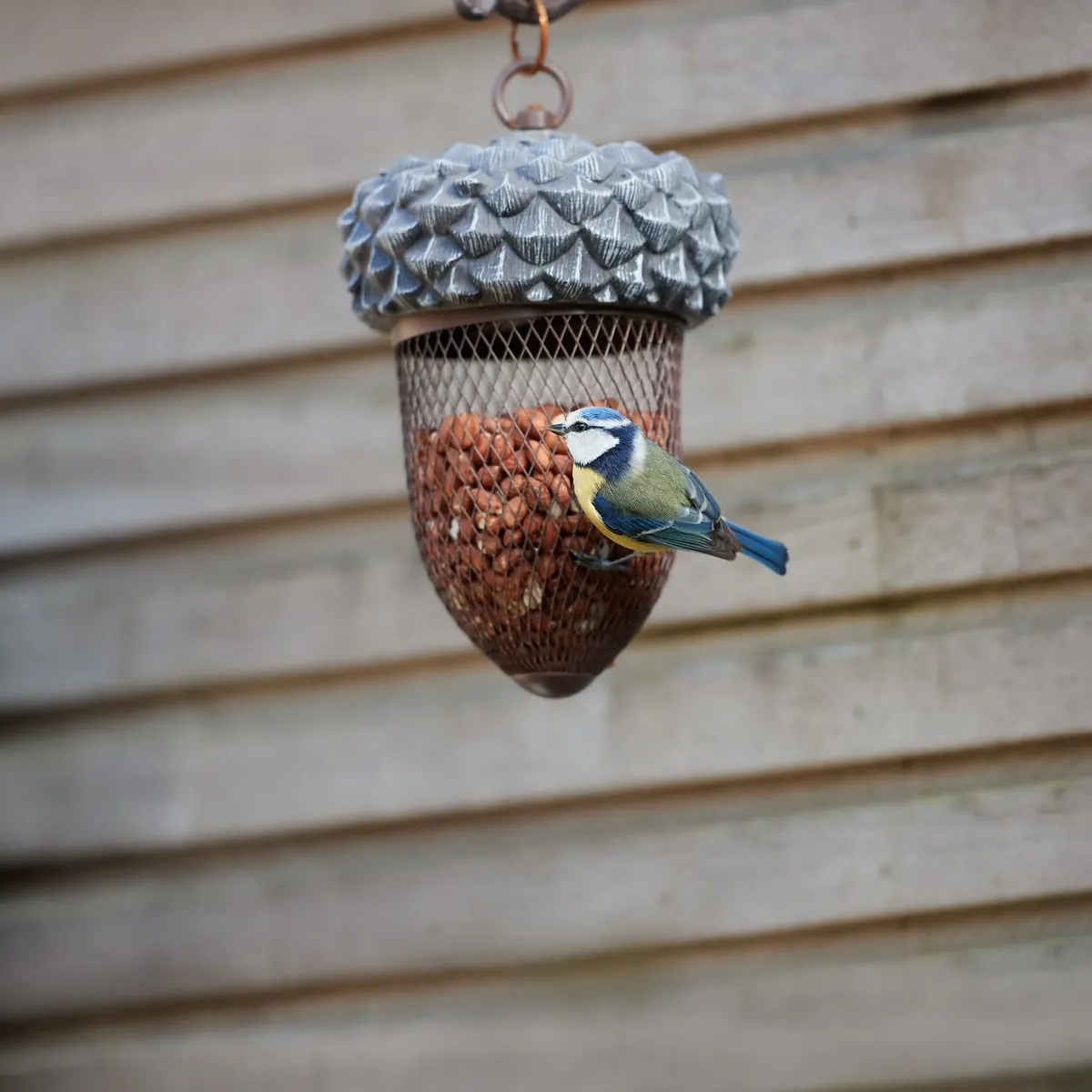
Mount it 1–1.5m off the ground, with the front clear of plants so nothing drips into it. Avoid north-facing shade, avoid spots under overhanging trees, and keep it away from bird feeders and nest boxes — tits and woodpeckers will happily empty a bee block.
Then look at what is within a few metres. Bees and hoverflies need flowers from March to October, so a hotel beside a lavender hedge or a patch of ox-eye daisies gets far more use than one on a bare wall. A patch of bare, undisturbed soil nearby will suit ground-nesting bees that would never move into a box at all.
Materials that earn their place
Good bug hotels are built from a handful of materials, packed tightly, each doing a specific job.
- Drilled hardwood blocks — holes 3–10mm wide, 60–100mm deep, drilled with a sharp bit so the insides stay smooth. Never drill all the way through.
- Hollow stems — bamboo, teasel, hogweed or old raspberry canes, cut into 15cm lengths and bundled tightly with the closed end facing out. Leafcutter bees will happily hollow out pithy teasel stems themselves.
- Dead wood and logs — for beetles, wood-boring larvae and the fungi that feed them.
- Bricks and stones with holes — loose, not mortared, for beetles, earwigs and overwintering insects.
- Corrugated cardboard or slatted wood — narrow, dry layers are ideal for lacewings.
- Dry straw, bark chips and loose leaves — for ladybirds and other insects looking for a winter cluster.
What to leave out
Skip anything painted, varnished or treated with timber preservative. Skip plastic bottles, glass jars and mesh bags, which trap moisture. Hay moulds faster than straw. Pine cones look lovely stacked on their own but give little shelter unless wedged into a dry crevice. And there is no need to buy a kit — a few offcuts and a bundle of canes will outperform most shop-bought towers.
Building it, step by step
- Make a frame with a roof. Four stacked pallets will do, or build a simple box from untreated timber. Leave the front open and give the whole thing an overhanging roof of slate, felt or timber that projects at least 10cm.
- Fill the top layer first. This is the dry, valuable real estate: drilled blocks and cane bundles, packed so nothing rattles. Angle cane bundles very slightly downwards so rain cannot run in.
- Use the middle for dead wood, bricks and slatted wood. Firm them in with dry material so there are no draughty voids.
- Keep the bottom for leaf litter, straw and stones — or better still, leave the lowest level open and build a separate log pile on the ground beside it. Ground-level habitat suits a completely different set of creatures.
- Secure it. A hotel that sways in the wind will be abandoned. Fix the frame to the wall or post and check the roof after every gale.
A bug hotel is not a sculpture. It works when its contents are dry, tightly packed and the right size for the insects you want.
Maintenance through the year
Once it is up, resist the urge to fiddle. Most insects using it will be larvae or dormant adults over winter, and moving the structure can kill them — solitary bees often return to the site they emerged from, so leaving it in place pays off year after year.
Do one inspection in late winter, around February, before anything emerges. Clear out mouldy straw or damp cardboard, replace cane bundles that have gone soft, and brush the fronts of bee blocks clean. Don't wash them, and never use insecticide nearby. Replace the roof covering when it sags, and keep the front clear of ivy and long grass. If you use drilled blocks, plan to replace them every couple of years: reusing the same holes builds up parasites and disease, and fresh wood is cheap.
Signs it is working
Within a season you should see neat mud caps sealing the ends of tubes, round holes plugged with discs of leaf, and small wasps patrolling the block in summer. Lacewings leave delicate eggs on stalk-like threads near slatted wood; earwigs and ladybirds tuck into crevices in autumn. If a whole tier stays empty, it is usually too damp, too shaded or too loose — fix that before adding anything new.
Start small, then refine
One well-made block of drilled hardwood and a tight bundle of canes on a sunny wall will attract more insects than a large, damp, gappy tower. Add the log pile and leaf litter next, then the slatted wood for lacewings. Check it once a year, keep it dry, and leave it alone the rest of the time. That is the whole trick.
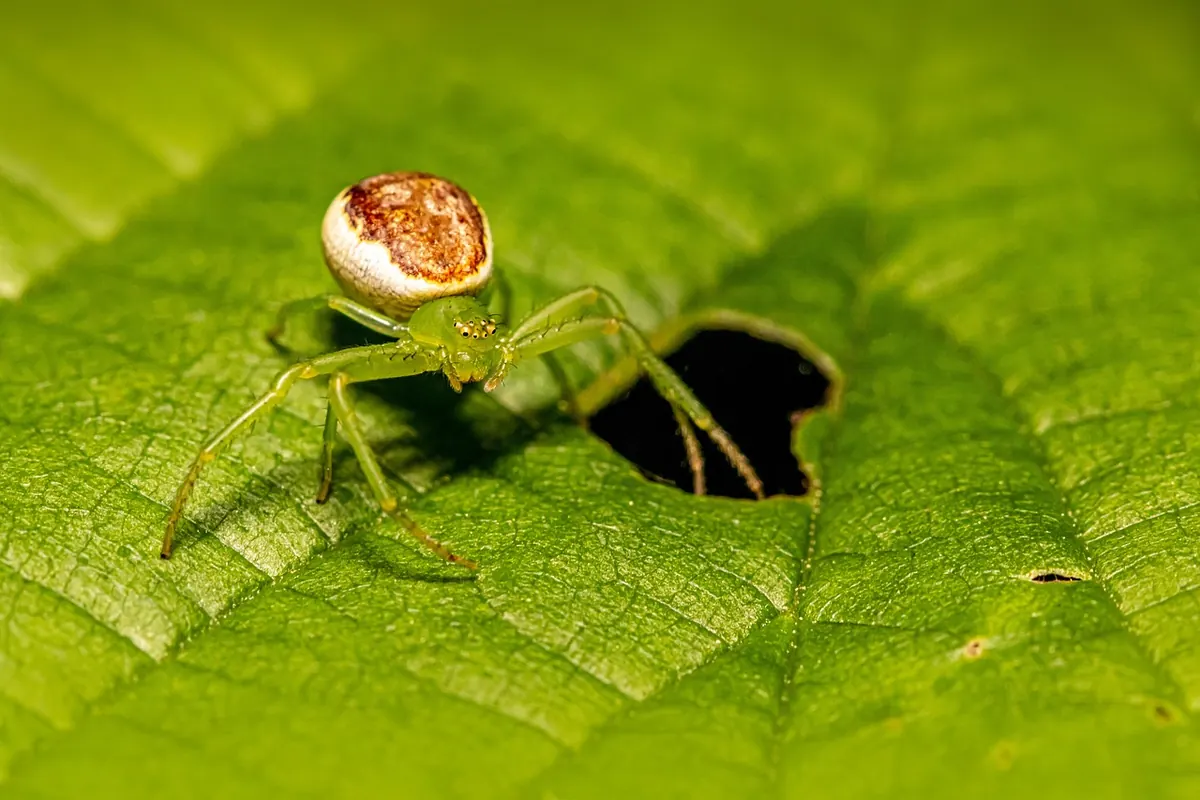
Photo: Erik_Karits / Pixabay