Designing a Wildlife-Friendly Border: Layering Plants for Year-Round Habitat
A border that hums in July can fall silent by October. That is rarely a failure of plant choice and much more often a failure of design: everything flowers at once, nothing fills the gaps, and there is nowhere for insects to shelter once the petals drop. A wildlife border is built in layers, the way a woodland edge builds itself, so there is food and cover at every height and in every season.
Think in Layers, Not Rows
When gardeners plant a border, they usually think left to right. For wildlife, think front to back and top to bottom. A well-made border has four rough layers working together.
At the back, a hedge or large shrub gives height, nesting cover and berries. In front of it, medium shrubs and tall perennials provide a dense middle storey. Below that comes a matrix of flowering perennials and grasses, the main nectar and seed factory. Finally, the ground layer — low plants, bulbs, leaf litter and bare earth — where beetles, frogs and ground-nesting bees do their work.
Each layer shelters the next. Deep, tangled planting keeps the soil cool and damp, holds fallen leaves in place and gives insects somewhere to hide between feeding bouts. That structure matters just as much as the flowers themselves.
Start with the Backbone: Hedge and Shrubs
Native hedging plants are the hardest-working purchase you can make. Hawthorn, blackthorn, hazel, guelder rose, dog rose and wild privet all support a wide range of moths and other insects, flower early enough for emerging pollinators, and then produce hips and berries that feed thrushes, redwings and blackcaps in winter.
Bare-root plants are the cheap, reliable route: order them in autumn and plant between November and March while they are dormant. Space them around 45–60cm apart in a staggered double row if you want a genuine nesting hedge rather than a thin screen. If your border is shallow, one large shrub will do the same job — hazel and guelder rose are both happy to be cut back hard every few years.
Resist the urge to clip a new hedge into a tight box. Leave it slightly loose and bushy for the first few years, then trim in winter rather than in the nesting season.
Fill the Middle with Flowers That Work Hard
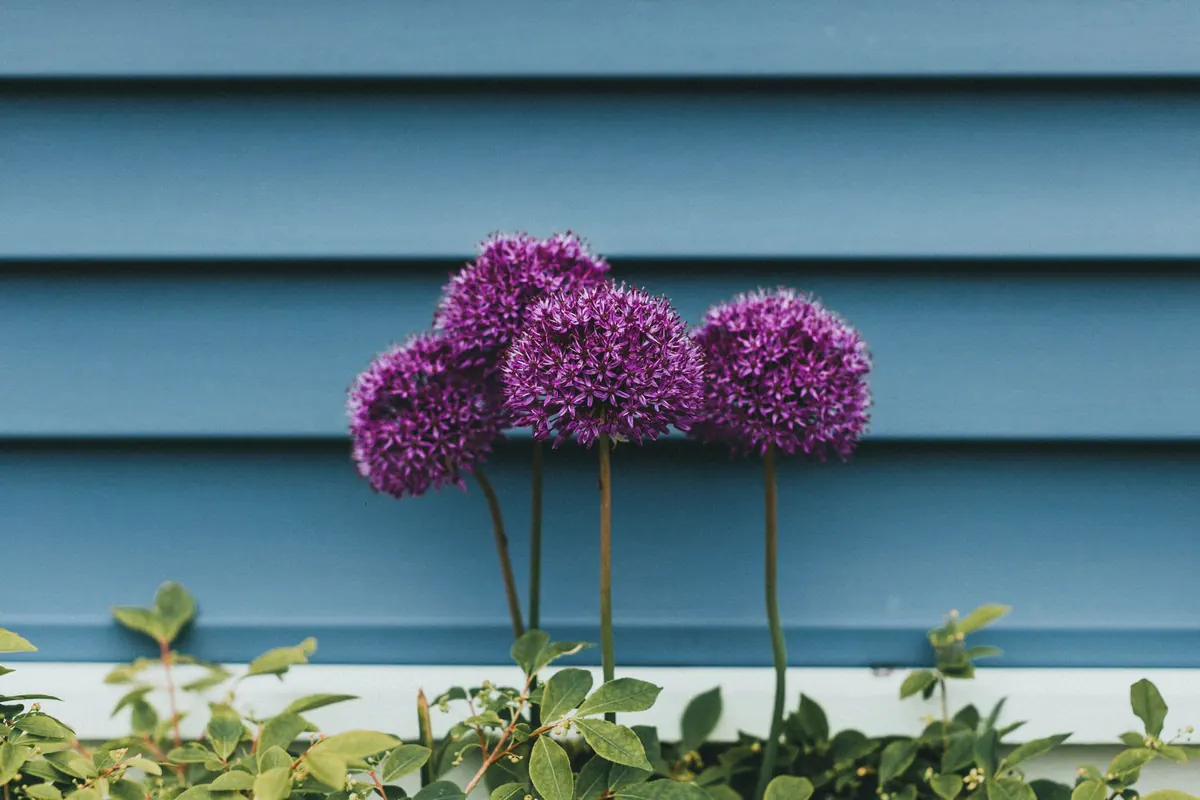
Single, open flowers give insects somewhere to land; double flowers often hide the nectar away entirely. Aim for a long run of daisies and umbellifers: ox-eye daisy, common knapweed, field scabious, betony, yarrow, meadow cranesbill, foxglove and angelica. Add a couple of grasses for stems and structure — wood sedge and tufted hair-grass both stand well into winter.
Spring
This is the lean period, when queen bumblebees wake up and there is very little about. Bulbs earn their place here: snowdrops, native daffodils and snake's head fritillaries, plus pulmonaria, bugle and the first flowers on your shrubs.
Summer
Foxgloves bridge early summer into the main flush. From late June onwards, knapweed, scabious, betony and yarrow take over. For late summer butterflies, add ice plant (Hylotelephium) and oregano, and leave a few plants to set seed rather than deadheading everything.
Autumn and Winter
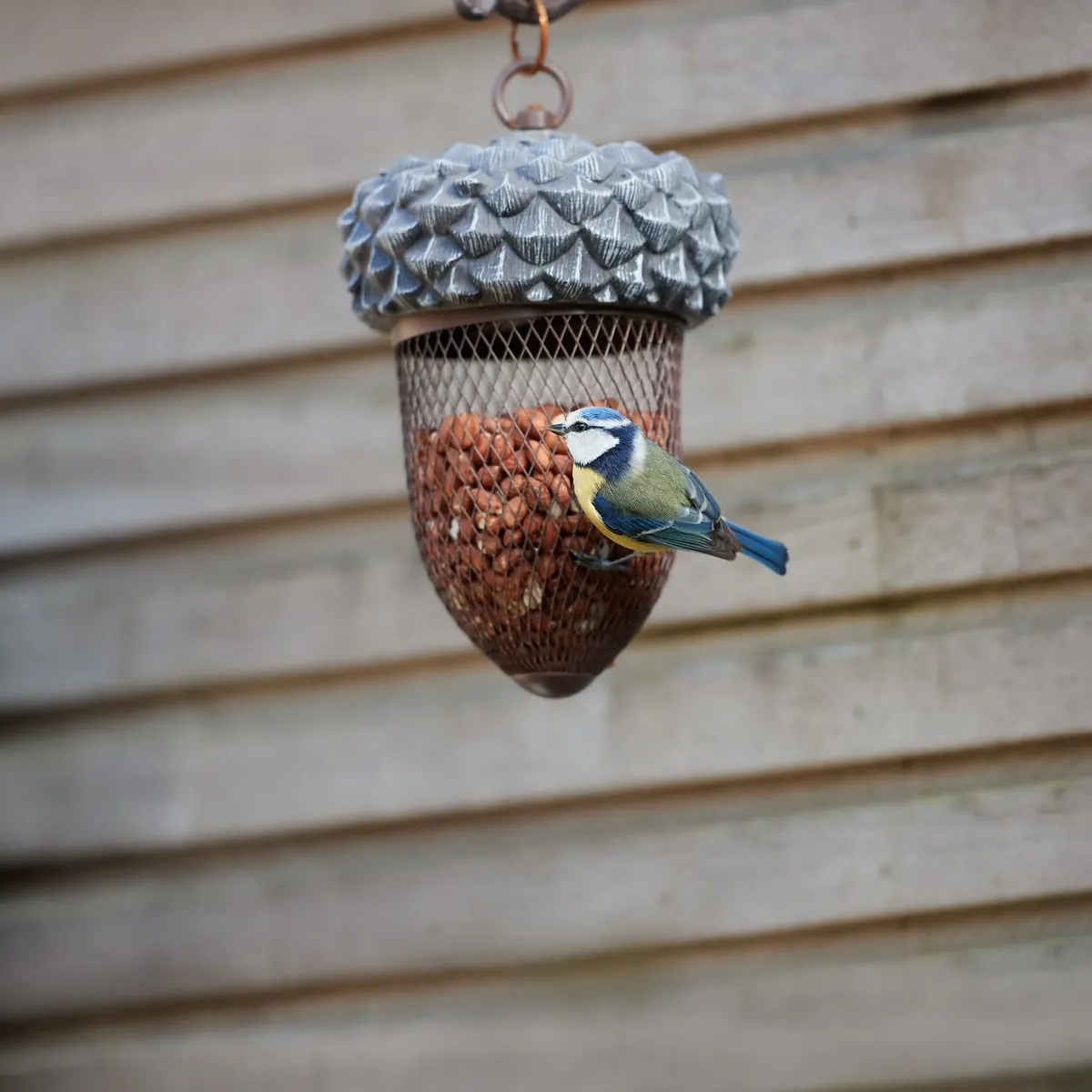
Michaelmas daisies and ivy carry the season. Ivy is one of the most valuable garden plants for wildlife: its late flowers feed hoverflies and late bees, its berries feed birds in spring, and its dense growth shelters roosting insects and small birds all winter. Leave teasel, knapweed and rose hips standing so goldfinches and fieldfares have something to work on.
Do Not Forget the Ground Layer
This is the layer most borders lack. Wild strawberry, bugle, ground ivy, violets and deadnettle will all spread under shrubs and perennials without competing with them. Lesser celandine is lovely in spring but spreads aggressively — only include it if you are happy to let it roam.
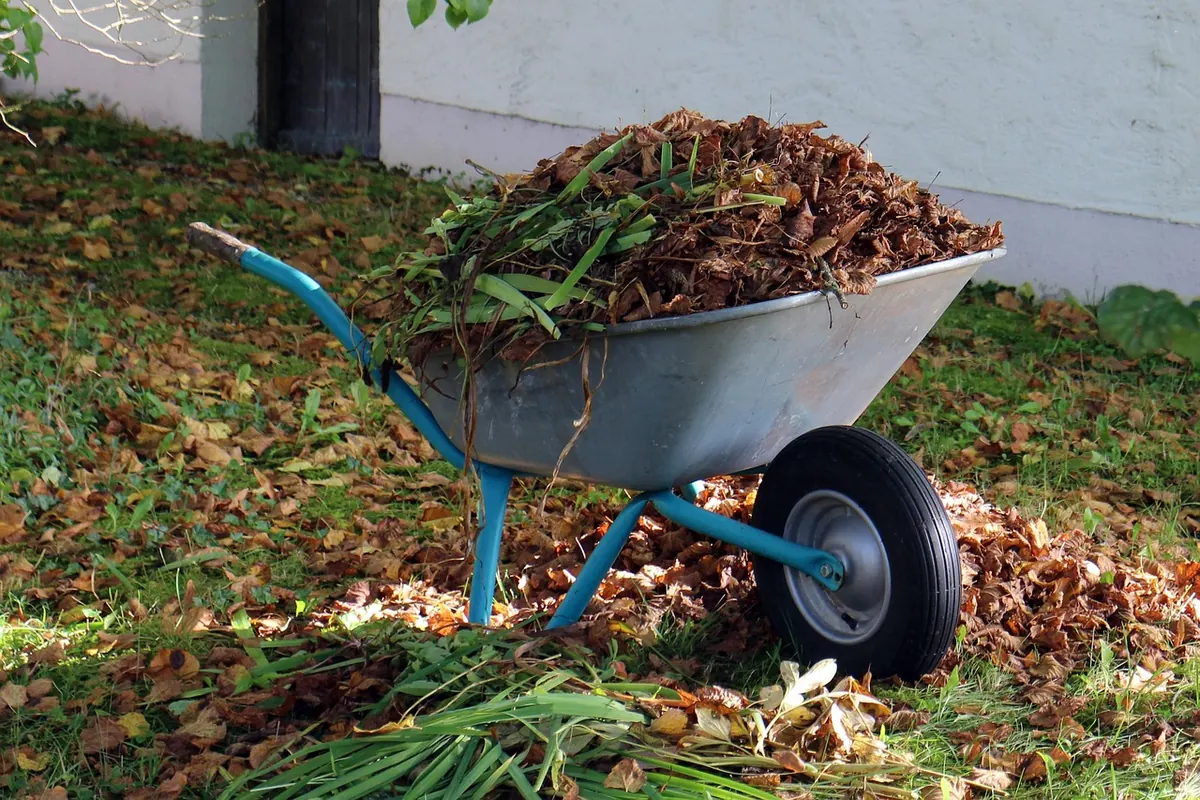
Then leave some mess. A patch of bare, undisturbed soil suits solitary bees, and a thin mulch of fallen leaves shelters beetles, hedgehogs and overwintering caterpillars. Landscaping fabric and thick bark mulch both work against you here.
Weave in Habitat Features
Plants alone will not do everything. Slip a few of these into the planting, ideally where they are partly hidden from view:
- A log pile in a shaded corner, with logs of mixed thickness left to rot quietly
- A small pile of stones and rubble for amphibians and invertebrates
- A bee hotel fixed facing south, at least a metre off the ground and sheltered from rain
- A shallow dish of water with a couple of stones in it as landing pads
- A patch of bare earth or short turf for ground-nesting bees
Planting and Aftercare
Get the basics right and the border will largely look after itself.
- Match plants to your conditions first. Most nectar plants want sun; shade borders should lean on shrubs, ferns, ivy and spring bulbs instead.
- Improve the soil with garden compost, but do not feed heavily. Rich ground grows soft, leafy plants with fewer flowers.
- Plant perennials in autumn or spring and water them well through their first summer.
- Mulch with compost between plants, keeping it clear of stems.
- Leave the whole border standing over winter and cut back in stages from late March, section by section, so insects always have somewhere to retreat to.
- Skip pesticides entirely, and let dandelions, birdsfoot trefoil and clover stand where they do not smother something you love.
In year two, watch which plants are actually being used — the leaves with neat semicircles cut from their edges by leafcutter bees, the stems with small holes, the seed heads stripped by finches — and plant more of those. A wildlife border is never finished, and that is part of the pleasure.
Photo: Jonathan Cooper / Pexels