Common Garden Bird Feeding Mistakes That Harm UK Wildlife (and How to Fix Them)
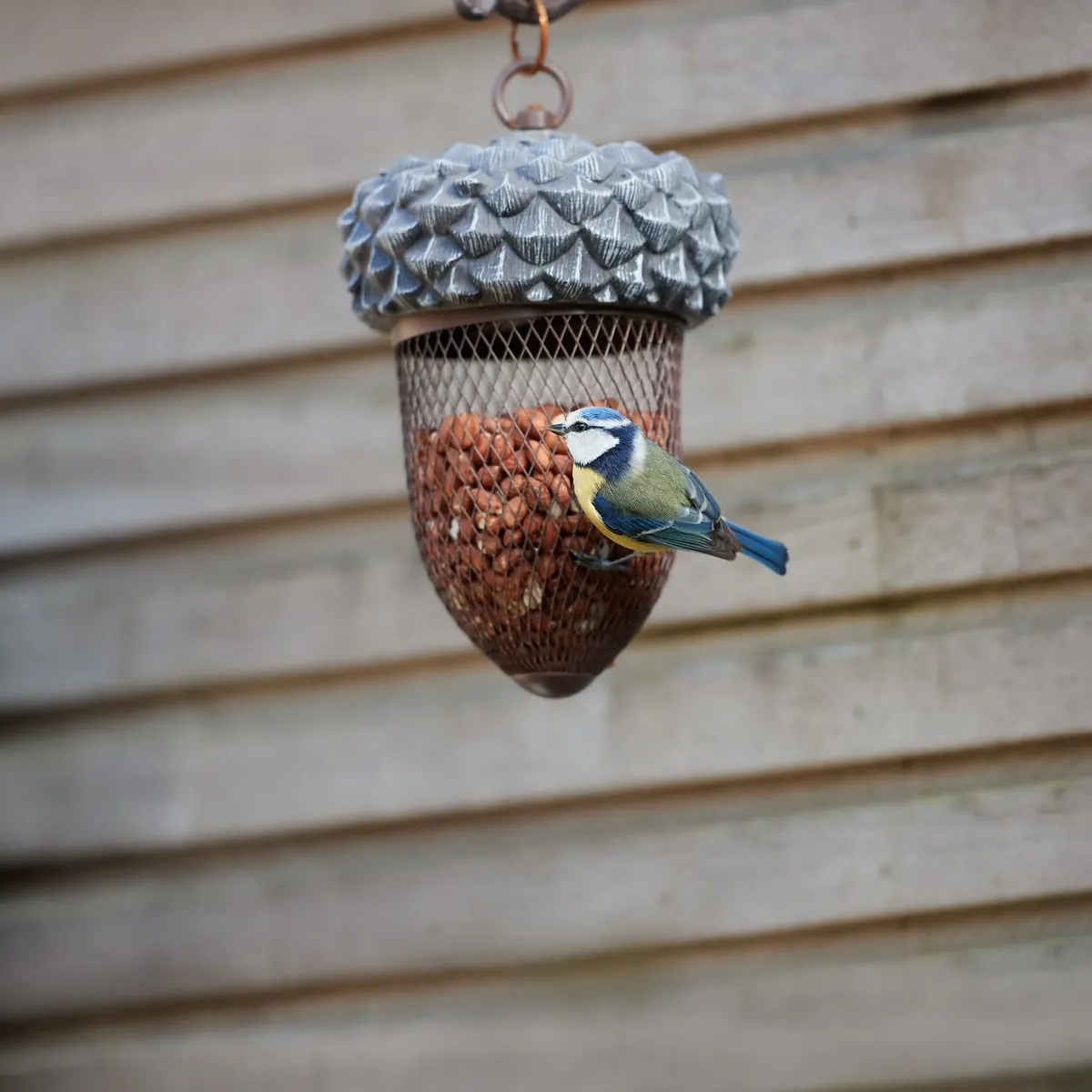
Feeding the birds is one of the simplest pleasures a garden offers: a few minutes filling a feeder, then a winter of goldfinches squabbling over the hanging seeds. But the equipment we hang, the food we choose and the habits we keep can quietly do harm — spreading disease, drawing rats, or putting chicks at risk. Almost all of it is easy to correct. Here are the mistakes that turn up most often, and what to do instead.
Treating Feeder Cleaning as a Job for Another Day
Feeders are the busiest shared surfaces in any garden. Droppings, saliva and damp seed collect in the same small space, and the result is a warm, wet spot where moulds and parasites thrive. Diseases such as trichomonosis, which has hit greenfinches and chaffinches hard, spread fastest where birds crowd at dirty feeders. A single infected bird can leave the parasite behind on a perch, ready for the next visitor — which is why outbreaks so often follow a popular feeder in a busy garden.
Clean hanging feeders every two weeks at the very least, and weekly in mild, wet weather or when many birds are visiting. Take them apart — perches, ports, bases — and scrub every crevice with hot soapy water and a bottle brush.
Rinse thoroughly, disinfect with a bird-safe product following the label, then rinse again and let everything dry completely before refilling. Seed tipped into a damp feeder goes mouldy within days. Wear gloves, wash your hands afterwards, and keep a spare feeder so one can soak while the other hangs.
Table feeders and ground trays need the same treatment, plus a sweep beneath them. Spilled husks and droppings under a hanging feeder are as much of a hazard as the feeder itself, and a layer of rotting seed on the lawn will bring in rats within a fortnight. Move feeders to a fresh patch of grass every few weeks and let the old spot recover.
Choosing Food That Does More Harm Than Good
Some of the most popular foods do birds no favours at all, and a few are genuinely dangerous.
- Bread fills a bird up without giving it much, goes mouldy quickly and attracts rats. Bin it instead.
- Milk is not something birds can digest properly. Put out clean water and nothing else.
- Salted, roasted or flavoured nuts and snacks carry salt that birds do not need. Offer plain, unsalted nuts only.
- Whole peanuts and large chunks in spring and summer can choke chicks. Switch to peanut granules.
- Fat balls and suet in warm weather turn rancid and smear feathers. Take them down in a heatwave.
- Mouldy, damp or clumped seed should be thrown away, not tipped into the border.
- The netting around fat balls should be cut off before hanging, because feet and beaks get caught in it.
Cheap mixes deserve a mention too. Many are padded out with red millet, wheat, barley and split peas — fillers that most garden birds simply kick onto the ground, where they rot and feed the rat population. A bag of mixed seed that leaves a carpet of debris under the feeder is not good value, however little it cost. Sunflower hearts, nyjer, quality seed mixes and live or dried mealworms will be eaten rather than scattered.
None of this is fussy. Fresh food in good condition, offered in amounts the birds can clear in a day or two, is worth far more to them than a bargain sack sitting in a damp feeder going stale. Keep bought seed in a sealed container somewhere cool and dry, and if a bag smells musty when you open it, throw it out rather than tipping it into a feeder.
Siting Feeders in the Wrong Place
Where a feeder hangs matters as much as what is in it. A feeder in the middle of open lawn looks charming but forces birds to cross open ground to reach it, with nowhere to bolt when a sparrowhawk appears. A feeder tucked hard against a window, meanwhile, produces regular collisions — birds see the reflection of sky and greenery and fly straight into the glass.
The safest arrangement is a feeder either within a metre or two of a window, where birds cannot build up speed before impact, or more than ten metres away. It is the middle distance that causes the most casualties. Keep a clear zone of a metre or so beneath the feeder so cats have nowhere to lie in wait, but leave taller shrubs four or five metres back as a retreat. A spot sheltered from the prevailing wind also keeps food drier and stops feeders swinging in a gale.
Getting the Seasonal Timing Wrong
Birds do not stop needing food in April. Through the breeding season, adults are feeding hungry chicks as well as themselves, and a reliable supply of mealworms, sunflower hearts or peanut granules can make a real difference to how many young fledge. It is also the season when hygiene matters most, because warm, damp conditions speed up the growth of mould and bacteria.
Winter has its own traps. Feeding first thing in the morning helps birds replace the energy they burned overnight, and a top-up in the early afternoon gives them something to see them through a frosty night. During a cold snap, an empty feeder is worse than no feeder at all: birds that have learned to rely on your garden waste precious energy flying in to find nothing. If you are going away, either ask someone to keep feeding or wind the supply down gradually.
Forgetting That Birds Need Water, Not Just Food
Water is the forgotten half of garden bird care. Birds need it for drinking and for bathing, and in winter a bath is what keeps feathers in the condition that insulates them. Use a shallow dish with gently sloping sides and a rough surface underfoot, change the water daily, and scrub the bowl weekly — algae and droppings build up just as they do in a feeder.
When it freezes, pour on warm water or float a small ball to keep a patch open. Never smash the ice, which can crack the dish, and never add salt or antifreeze. Position the bath where cats cannot creep up unseen, and keep it away from feeders so that food debris does not foul the water.
Refusing to Take Feeders Down When Disease Appears
If you see a bird that is fluffed up, unusually tame, drooling, half-closed-eyed or sitting listlessly under the feeder, act at once. Take every feeder and water container down, empty and clean them, then leave the garden without food for two to three weeks. This sounds harsh, but it breaks the cycle of transmission by dispersing the birds that were gathering in one place.
Keeping a feeder up to spare one sick bird's feelings is the surest way to pass the infection to a dozen healthy ones.
Report unusual deaths or signs of disease to the Garden Wildlife Health project so that the pattern can be tracked nationally, and do not refill until the feeders have been disinfected and dried properly.
A Simple Routine That Keeps Birds Safe
- Daily: check food for damp or mould, top up only what will be eaten, and refresh the water.
- Weekly: scrub feeders, drinkers and trays with hot soapy water, then disinfect and dry.
- Fortnightly: sweep or rake the ground beneath feeders and rotate their position.
- Monthly: check feeders for cracks, rust and broken perches where bacteria hide, and replace worn ones.
- Seasonally: adjust the menu — no fat balls or whole peanuts in hot weather.
- On warning signs: take everything down for three weeks and clean thoroughly.
Do all of that and the reward is a garden that is genuinely good for birds: busy feeders in winter, fledglings in summer, and none of the mess, disease or rodent problems that give garden feeding a bad name.
Photo: Erwin Bosman / Pexels