How to Build a Wildlife Pond in a Small UK Garden: A Beginner's Step-by-Step Guide
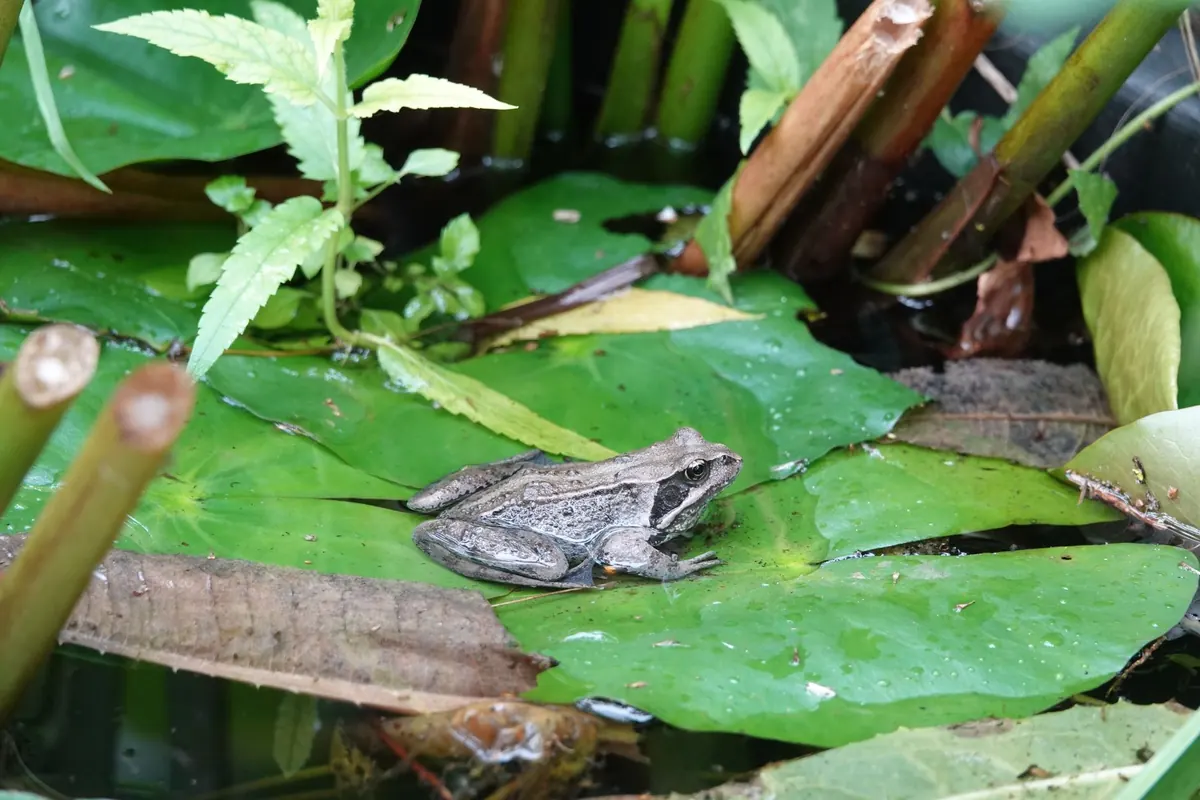
A pond is the most generous thing you can put in a small garden. Even a sunken washing-up bowl will bring birds in to bathe, but a proper little pool — two metres by one, deep enough to stay cool through August — turns a dull corner into the busiest part of the plot. Frogs, damselflies, newts, hedgehogs and a dozen kinds of hoverfly will find it without any help from you. Here is how to plan, dig and plant one without wrecking the rest of the garden.
Pick the right spot
Walk your garden at different times of day before you lift a spade. You want somewhere that gets around four to six hours of sun, ideally in the morning, with a bit of dappled shade in the afternoon. Full sun all day means warm water and more algae; deep shade means sulky plants and very little visiting wildlife.
Keep clear of trees and large shrubs. Fallen leaves feed the water and turn it soupy, and roots can push at a liner from underneath. Avoid any spot that collects runoff from a lawn you feed or weed, and steer clear of the lowest point of the garden unless you fancy a permanently flooded hole. Position it where you can see it — from a kitchen window is ideal, because you will notice far more.
- A level or gently sloping spot is easier to work with than a steep bank.
- Near a water butt or downpipe makes summer top-ups much less of a chore.
- Before you dig, check for buried cables, pipes and drains. Utility companies usually provide free plans online, and it takes minutes.
Size, shape and depth
In a compact garden, 1.5m x 1m is plenty, and 2m x 1.5m is generous. Depth matters more than surface area: aim for 45–60cm at the deepest point, which keeps the water cooler, gives frogs somewhere to sit out the winter and stops the pond freezing solid in a hard spell. Shallower ponds work, but they warm up fast and green over quickly.
Build in two levels. A shallow shelf around 20–25cm deep takes marginal plants and gives birds and insects a safe landing zone. Then let one side slope gently up to the edge rather than dropping vertically — that slope becomes your wildlife exit route. Mark the outline with a hosepipe or rope first, and live with the shape for a day before cutting anything. A kidney or teardrop shape looks more natural than a neat circle, and it hides the liner better.
Choosing and fitting a liner
Flexible rubber liners give you freedom of shape and last for decades. Butyl is the toughest and the priciest; EPDM is very similar and usually a little cheaper. PVC is the bargain option but becomes brittle with age and UV light. Preformed rigid ponds are easy for a beginner to install, though the shapes are limited and they can crack if the ground shifts.
Whatever you choose, buy one piece — joins leak. To work out the size, add twice the depth to the length and to the width, then add at least 60cm overlap for the edges. A pond 2m long, 1m wide and 60cm deep needs a liner roughly 3.8m x 2.8m.
- Dig the hole, removing sharp stones, glass and thick roots.
- Line it with geotextile fleece, or old carpet with the backing checked for staples. A thin layer of soft sand underneath helps on stony ground.
- Drape the liner in loosely, letting it follow the contours, and weigh the edges down with bricks or stones.
- Fill with water before you trim anything. The weight of the water pulls the liner into every corner and shows you exactly where the folds want to sit.
- Tuck the folds as neatly as you can, then trim, leaving a good 30cm to bury or hide under edging.
Filling and planting
Rainwater is the best fill: soft, free and chemical-free. A water butt or two will usually do the job, and tap water is acceptable in a pinch, though it carries nutrients that feed algae. If you must use a hose, treat it with a dechlorinator if your supplier uses chloramine, and expect a green flush for a few weeks.
Let the water stand for a week or two before planting so it settles and warms. Don't add fish — they eat tadpoles, larvae and everything else you are trying to attract.
What to plant
- Oxygenators (submerged): hornwort, water starwort, spiked water milfoil. These keep the water clear.
- Marginals (on the shelf): water forget-me-not, marsh marigold, lesser spearwort, flowering rush, dwarf iris.
- Floating: a dwarf water lily such as 'Pygmaea Helvola', frogbit, or water soldier if you have room.
Use aquatic compost in baskets, never ordinary garden soil, which is too rich and may carry weedkiller residue. Top each basket with gravel so blackbirds cannot fling the compost about. Go for native species where you can — they support far more insects — and never plant floating pennywort, water hyacinth, parrot's feather or New Zealand pigmyweed. Several of these are banned from sale in the UK and can smother a pond within a season.
Edging and wildlife access
This is where most small ponds fail. A steep-sided pool with a hard edge all round is a trap: hedgehogs, frogs and fledgling birds go in and cannot get out. Fix it with one gentle gravel beach on the sunny side, or a ramp made from a rough-sawn plank, a piece of log or a stack of stones forming steps from the water to dry land.
For the edging itself, soft is better than sharp. Turf laid over the liner, pebbles, or bog plants such as marsh marigold spilling over the rim all look natural and let creatures pass. Leave at least one side of long grass, and pile a few stones and logs nearby for shelter. Avoid paving or decking flush to the water on every side unless you are providing proper access.
Keeping a small pond healthy
Little ponds need less attention than you would think, but they do need some. Pull blanketweed out by hand in summer and leave it on the edge overnight so anything trapped can crawl back in. Never use algaecides or pond chemicals in a wildlife pond. Top up with rainwater in dry spells, and scoop out excess autumn leaves — though leave a few, since they shelter overwintering larvae.
Cut back plants that are taking over in late summer, and leave hollow stems and seed heads standing through winter. If you rent your home, check your tenancy agreement before digging, and if you have small children, plan the supervision and safety side before the water goes in rather than afterwards.
Start small and let the wildlife come
Do not expect instant results, and do not help nature along by moving frogspawn or pondweed from another pond — it risks spreading disease. Build it, plant it, keep it topped up, and let it colonise at its own pace. Damselflies often turn up within weeks. Frogs generally arrive within a year or two, newts later. The first time you find a smooth newt hanging in the shallows, you will wonder why you waited so long.
Photo: Patrick Droog / Pexels