How to Create a Log Pile Habitat for Hedgehogs, Beetles and Fungi
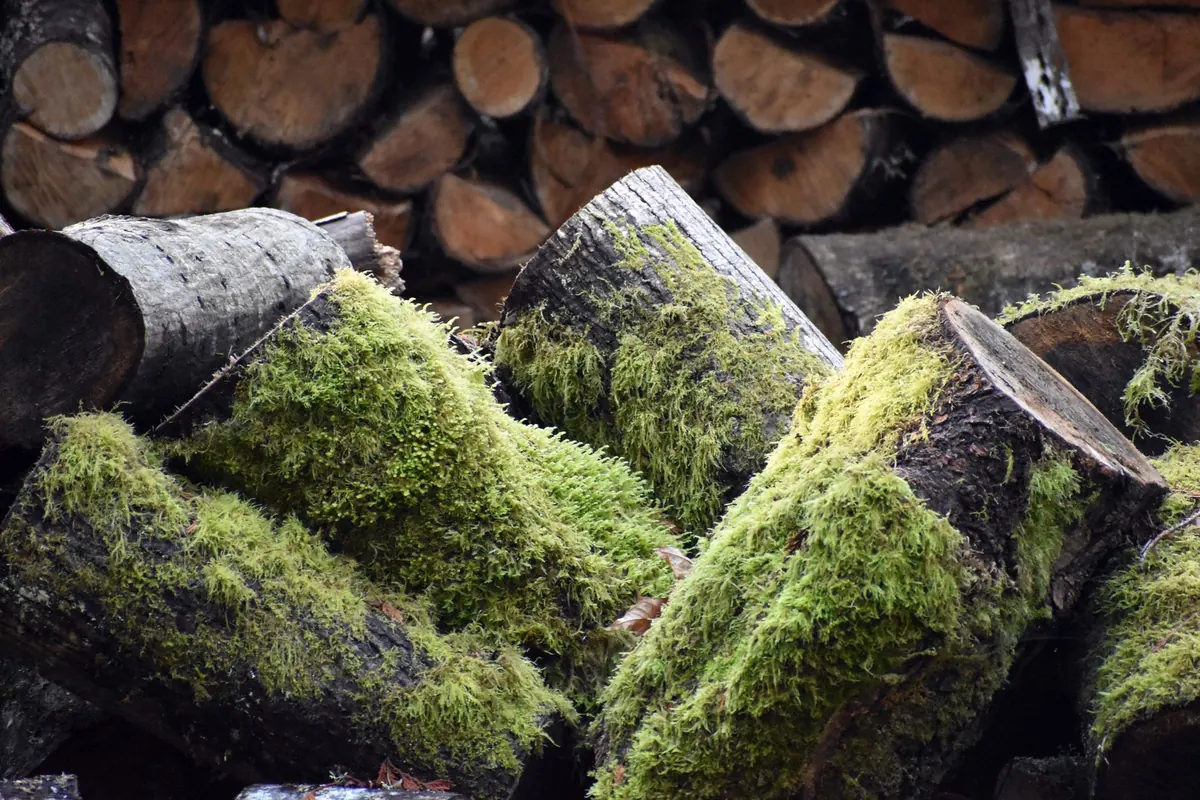
Leave a few logs in a heap and nature does the rest. That’s more or less the whole idea behind a deadwood pile, and it’s the cheapest wildlife habitat you can add to a garden. No digging, no planting, no trip to the garden centre if you know a tree surgeon or a neighbour who has just had a tree taken down. What a log pile lacks in polish, it makes up for in residents.
What a log pile actually provides
A rotting log isn’t one habitat, it’s several stacked together. The outer surface is dry and warmed by the sun; a few centimetres in, the wood stays damp all year; the centre is quietly turning to crumbs. Different creatures want different parts of that. Beetle larvae tunnel under loose bark. Solitary bees and overwintering queen wasps move into old beetle holes. Woodlice, millipedes and centipedes work through the damp lower layers, while fungi send threads through the lot, softening the wood so everything else can get at it.
Hedgehogs don’t eat wood, but they eat the things that live in it. A pile beside a hedge gives them a dry day nest in summer and somewhere to hibernate when the temperature drops.
Choosing the right spot
Position matters more than size. A pile in the wrong place will be ignored; one in the right place can be busy within a season.
- Dappled shade is ideal. Deep shade under a dense conifer stays cold and sodden, while full sun bakes the wood and the fungi give up.
- Soil contact is essential. Logs sitting on concrete, gravel or membrane dry out. If you only have paving, spread a few centimetres of soil or leaf mould first and build on top.
- Away from the house and any timber you’d rather keep dry — a few metres clear of walls, sheds and fence panels.
- Not where water stands after rain. Damp is good; waterlogged is not.
- Somewhere you’ll see it. The more often you walk past, the more you’ll notice.
What to put in it
Almost any untreated wood from a deciduous tree will do. Bark on, please — that’s where a lot of the life is.
- A mix of sizes: a couple of thick trunk sections 20–30cm across for slow rot, some medium branches, and a bundle of twigs.
- Oak, beech, ash, apple, birch, cherry and willow. Willow and birch break down quickly and suit fungi; oak can sit there for a decade or more.
- Leaf litter, bark, wood shavings and a few stones to fill the gaps.
- A spadeful of ordinary garden soil scattered over the top to introduce the organisms that start the process.
Leave out treated timber, fence posts, pallets, MDF and chipboard — the preservatives and glues have no place in a wildlife pile. Don’t take deadwood from nature reserves, commons or ancient woodland either; it’s already doing a job there.
Building the pile, step by step
- Mark out roughly a square metre. Smaller works too, but a metre gives the centre a stable, damp core.
- Loosen the soil underneath with a fork and add a layer of leaf mould or old compost.
- Lay the thickest logs first, in contact with the soil and roughly parallel, with a hand’s width between them.
- Stack smaller logs and branches across the first layer at angles. Criss-crossing creates the hollows that matter most.
- Fill the gaps with twigs, bark, shavings and leaves. Resist the urge to make it neat — messy is the point.
- Leave one open tunnel at ground level, facing a hedge or a gap in the fence.
- Sprinkle soil over the top and water it in gently. That’s it; you’re finished.
Aim for a structure with hollows rather than a solid stack of firewood. If you can push a finger into the gaps, so can a beetle.
Making it hedgehog-friendly
Place the pile within a metre or two of a hedge, wall or fence, so a hedgehog can reach it under cover. Hedgehogs need a gap of roughly 13cm square to pass through a fence or wall; if yours is solid, a small hole cut at ground level keeps the route open. Put a shallow dish of water nearby in dry weather. If you feed hedgehogs, use proper hedgehog food or meaty cat food, and never bread and milk.
Making it work for fungi
Fungi need steady moisture and shade, so a pile tucked under a shrub or on the north side of a hedge will rot down faster and produce more fruiting bodies. Keep the leaf litter topped up. Look for jelly ear, candlesnuff and birch polypore, and for the white threads of mycelium under loose bark. Never eat a wild fungus on the strength of a photograph; identification needs an expert.
Keeping it going
Maintenance is mostly restraint. Add a few new logs and a barrow of leaves each autumn, then leave the rest alone. Don’t turn the pile or redistribute it — the stable, damp centre is the whole point, and turning it
Photo: wr heustis / Pexels