When to Clean a Garden Pond Without Harming Frogs and Newts
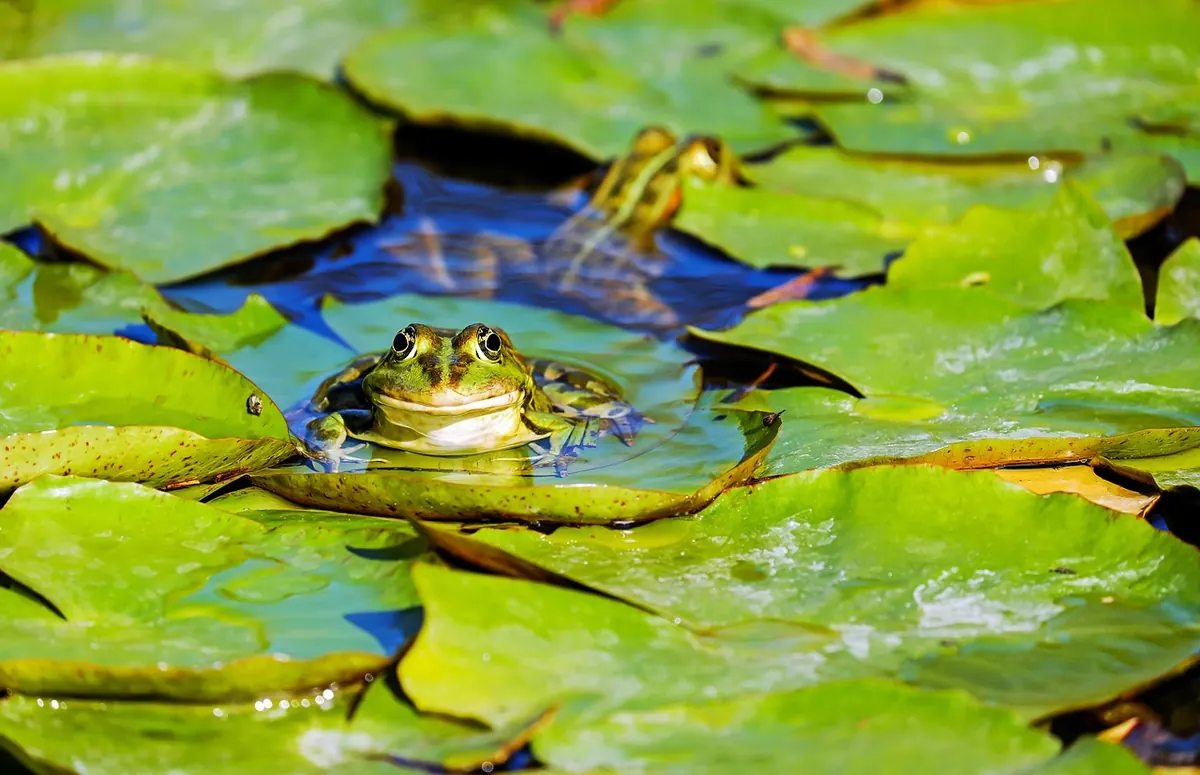
A pond left to itself will slowly fill with leaves, silt and blanket weed. That is not automatically a problem — a bit of mess is exactly what frogs and newts want. But there comes a point where the sludge outweighs the benefits and the water needs a hand. Get the timing right and you will barely disturb anything. Get it wrong and you can wipe out a breeding season, or bury a hibernating frog under a spadeful of mud.
Why timing matters more than technique
A garden pond is not a water feature that happens to have wildlife in it. It is a habitat with a calendar, and most of the animals in it are vulnerable for a good chunk of the year.
Common frogs usually spawn in late winter or early spring, and the spawn and tadpoles are in the water until early summer. Newts run on a slower schedule: they return to ponds in spring, lay eggs singly folded into plant leaves, and their larvae stay in the water well into late summer before leaving as young adults. Add dragonfly larvae, water beetles, snails and the small invertebrates living in the silt, and the pond is busy and fragile from roughly February to September. Clean in that window and you will be scooping up eggs and larvae along with the debris.
The best window: late September to October
For most ponds, early autumn is the kindest time. Frog and newt larvae have usually completed their transformation and left. Adults are drifting back to land to feed before winter. The water is still warm enough to work in with bare hands, and plants have time to settle before growth stops.
You are also catching the leaf fall early, which is often the very reason the pond needs attention in the first place.
A second window: late February to early March
If autumn passed you by, there is a narrow slot in late winter, before spawning starts. It is a gamble. In a mild year frogs can spawn in February, and once you see clumps of spawn the window has closed — stop and wait until autumn. Great crested newts may also be returning to ponds then, and they are legally protected in the UK along with their habitat, so if you know or suspect they use your pond, take advice from a wildlife organisation before moving anything.
When to leave the pond completely alone
- March to August. Spawn, tadpoles, newt eggs and larvae are all in the water. Disturbance now can kill a whole generation.
- December to February. Common frogs often overwinter in the mud at the bottom of a pond. Digging into that silt can injure them or leave them exposed to cold they cannot survive.
- During or just after a frost. Even in a good month, wait for a mild, still day. Cold water is stressful for amphibians, and you will be miserable too.
What to leave alone, even when you are cleaning
A clean pond is not a tidy pond. These things look like mess and are actually habitat:
- A layer of silt. A few centimetres on the bottom is fine and full of life. Only remove it if it is deep enough to be filling the pond in.
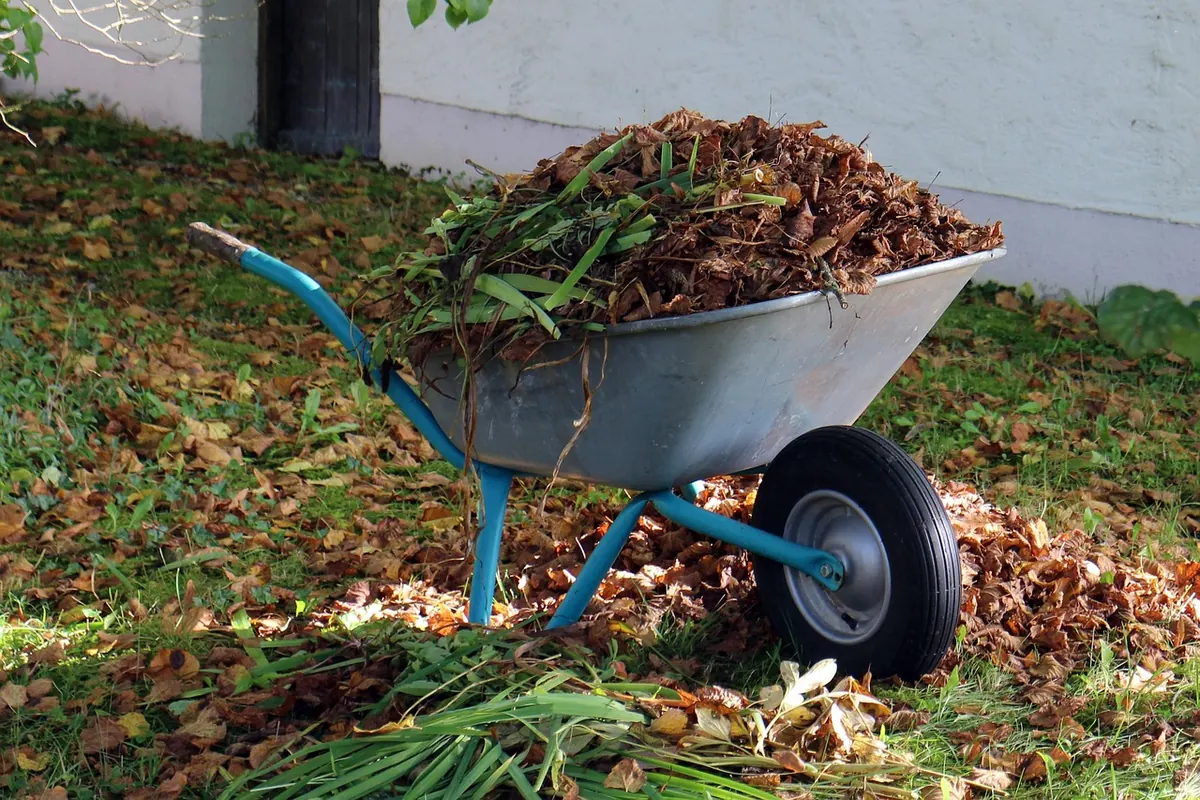
- Some leaf litter. Sinking leaves feed the invertebrates that feed the newts.
- Marginal stems and seed heads. Hollow stems shelter insects through winter. Cut back a third at most and leave the rest standing.
- The film of algae on the liner. Never scrub it. Grazing invertebrates depend on it.
- Stones, logs and leaf piles at the edge. This is where newts and frogs hide by day and spend the winter.
- Native oxygenating plants. Thin them if they have taken over, but keep a good clump in the water.
How to clean safely, step by step
- Pick a mild, overcast day. Fill a few buckets or a large tub with pond water and keep them in the shade.
- Work on one section only — half the pond at most. The rest stays as a refuge, so anything you disturb has somewhere to go.
- Use a soft net and lift gently, checking every netful before you tip it out. Frogs, newts, tadpoles, beetles and snails go straight into the tub of pond water.
- Pull blanket weed by hand, or twist it around a stick. Skip dyes and chemical algaecides entirely; they are hard on amphibians and the invertebrates they feed on.
- Pile any removed silt at the pond edge for a day or two so anything buried in it can crawl back, then spread it on a border.
- Top up with rainwater where you can. If you must use tap water, add it slowly and use a dechlorinator.
- Return the tub of creatures to the shallows at the end and leave them to settle.
Does your pond actually need cleaning?
Fewer ponds need a full clean than their owners think. Green water in spring is normal and usually clears as plants grow. A little duckweed is fine — net out small amounts rather than trying to remove it all. Blanket weed in summer is unsightly but harmless.
The signs that genuinely warrant action are a pond so full of leaves and silt that open water has vanished, oxygenating plants smothered out, water that is black and smells bad, or fish gasping at the surface. Even then, a partial clean beats emptying the pond. Never drain a pond that has amphibians in it; the silt and the water carry life that will not survive a day in a bucket.
A simple yearly rhythm
Twice a year is plenty for most garden ponds, and often once is enough. In autumn, net leaves off the surface as they fall, thin out any plant that is running riot, and do your main tidy-up in September or October if it is needed. In spring, resist the urge to tidy: leave the marginal stems, keep the edges wild, and let the spawn and tadpoles get on with it.
One last thing. Do not move frogs, spawn, newts or pond plants between ponds. Disease and invasive plants travel that way, and releasing garden pond animals or plants into the wild causes real harm.
Photo: Couleur / Pixabay