Wildlife Overwintering Checklist: 10 Garden Jobs for Autumn and Winter
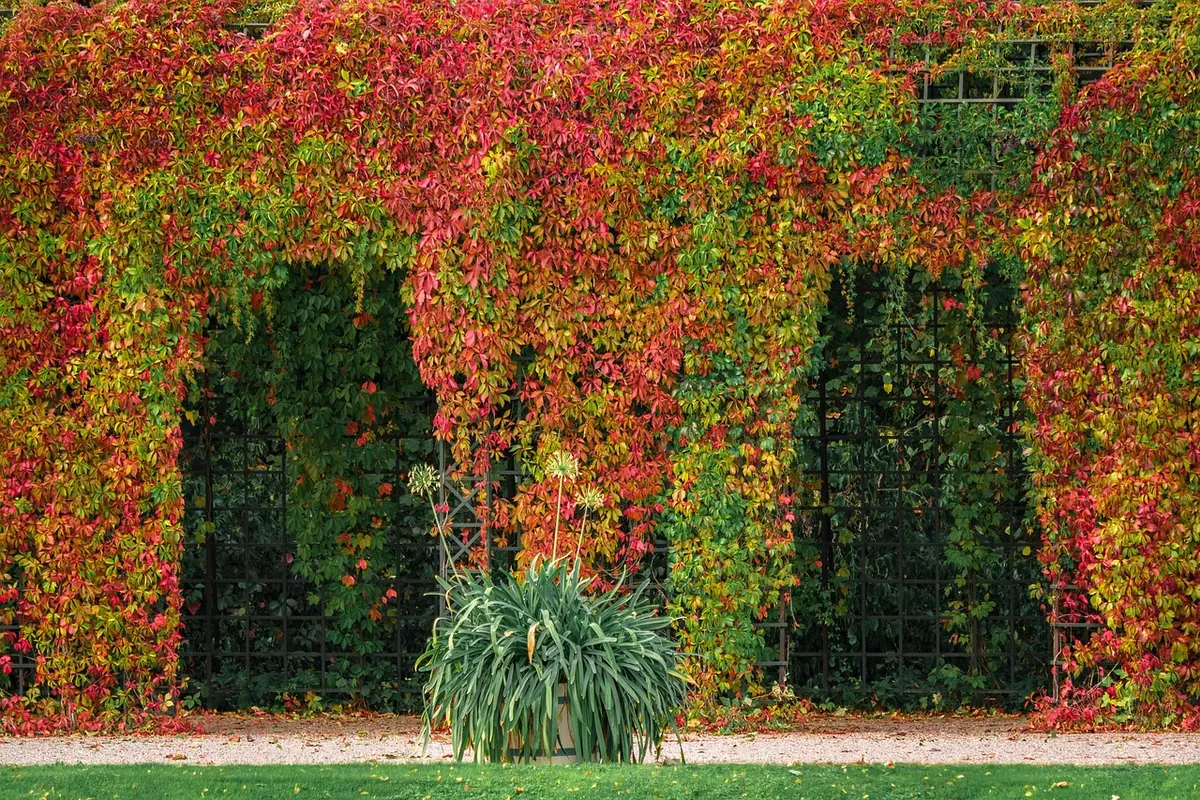
Autumn disappears faster than most of us expect. One week the borders are still standing and the grass needs cutting; the next there's a white crust on the lawn and the light has gone by four. For garden wildlife, that shift is when everything depends on what's within a short walk of where they already are. Shelter, water and a bit of food can all be sorted with an afternoon's work now, plus a few minutes here and there through to March.
None of it needs money or special kit. It needs a willingness to leave a few things alone, and to think of the garden as somewhere things live rather than somewhere things are displayed.
Shelter first: the untidiest job is the most useful
Hibernation isn't a single event. Hedgehogs, frogs, newts, queen bumblebees, ladybirds and peacock butterflies all overwinter in different ways, and each has its own idea of a good bed. What they share is a need for somewhere damp enough, dark enough and undisturbed enough to sit out the cold.
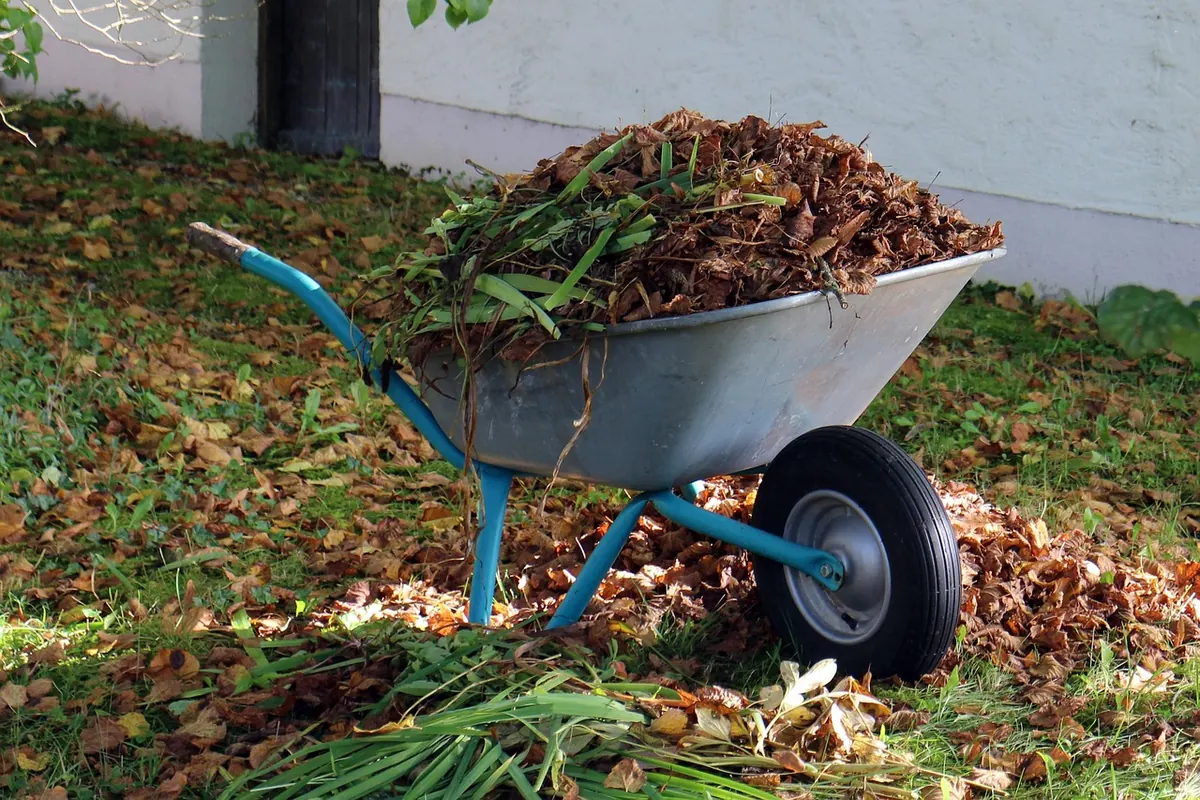
Leaves are the starting point. Instead of bagging them up, rake them off the lawn and into a wire ring, behind a shed, under a hedge or across the back of a border. A pile a metre across and 30cm deep will be used by insects, frogs and possibly a hedgehog. Leave it alone until late spring.
Log piles and dead wood
Stack prunings, small logs and thicker stems loosely rather than tightly. The gaps are the point: beetles, centipedes, solitary bees and overwintering ladybirds all use the spaces between. A pile in shade and out of the wind works better than one in full sun, and it can sit behind a shrub if you'd rather not see it from the kitchen window.
Gaps, holes and hollow stems
Leave the stems of hollow-stemmed plants — teasel, sedum, tall grasses, old raspberry canes — standing over winter. Solitary bees and lacewings tuck into them. If you're cutting a hedge, hold off between now and March so any nests or roosting birds are left in peace.
Water: the job most people forget
Frozen ground and frozen ponds make drinking hard. Birds in particular need open water every day, not just in summer. A shallow dish at ground level, refreshed each morning, is enough — but add a few stones or a piece of brick so insects and small mammals can climb out.
If you have a pond, don't smash the ice. The shock wave can injure amphibians resting in the silt below. Float a small ball in the water before the freeze instead, or melt a hole by standing a pan of hot water on the surface. Never pour salt, antifreeze or de-icer near a pond, and use grit rather than rock salt on nearby paths.
Hedgehogs and birds drown surprisingly easily in steep-sided water butts and troughs. A gently sloping ramp of rough wood, or a length of chicken wire tied to the side, gives them something to grip.
Plant for the winter larder
Winter food for birds is mostly berries and seeds, and both can be added to the garden with a single trip to a nursery.
Berries that hold their own
- Holly — reliable, dense, and the berries last well into hard weather.
- Hawthorn and rowan — good for blackbirds, thrushes and redwings.
- Guelder rose and cotoneaster — useful low cover as well as fruit.
- Ivy — late flowers for bees in autumn, then berries in late winter.
Leave the seed heads standing
Teasel, sunflower, rudbeckia, honesty, asters and most ornamental grasses will feed goldfinches, siskins and sparrows for weeks if you resist the urge to cut them down. They also hold structure and frost, which is no bad thing in a winter border. Cut back in late February or March, once the worst of the weather has passed.
A garden that looks a little untidy in January is usually a garden that's working.
The checklist: ten jobs for the weeks ahead
- Rake leaves into a wire ring or a corner behind a shed, and leave them.
- Stack logs and prunings loosely, with gaps facing away from the prevailing wind.
- Leave hollow stems and seed heads standing until spring.
- Put out a shallow water dish at ground level and check it daily.
- Leave a 13cm gap under fences and gates so hedgehogs can travel between gardens.
- Plant a berrying shrub — holly, hawthorn, guelder rose or rowan.
- Clean bird feeders and baths with hot soapy water, then rinse well.
- Float a ball in the pond, and add a ramp to water butts and troughs.
- Leave a patch of longer grass, and don't turn the compost heap this winter.
- Hold off hedge cutting and heavy digging until March.
Feeders, food and a bit of hygiene
Supplementary feeding helps most in hard frosts and long wet spells. Sunflower hearts suit a wide range of birds, nyjer brings in goldfinches, and suet balls are taken by tits and nuthatches. Once you start feeding, keep it up: birds will come to rely on the supply through cold weather.
Cleanliness matters more than variety. Wash feeders every couple of weeks with hot soapy water and rinse thoroughly, shift them around the garden now and then, and throw out anything mouldy. Peanuts should be fresh, unsalted and from a reputable supplier. For hedgehogs, put out meaty dog or cat food and fresh water — never milk or bread.
A winter routine that takes minutes
Once the big jobs are done, the rest is small. Top up the feeders, melt a hole in the bird bath with warm water, and check that the ground-level dish hasn't tipped. Walk the garden after a frost and look for tracks in the grass, or a nest of leaves that's been rearranged overnight. If something is working, don't tidy it.
By March you'll have a garden that came through the winter with more living in it than when the cold set in — and much less work than that sounds.
Photo: ChiemSeherin / Pixabay